
Securing Continuous Cone Crusher Runtime via Core Bearing Defenses and Precise Motor Matching
Securing Continuous Cone Crusher Runtime via Core Bearing Defenses and Precise Motor Matching
In our comprehensive overview of adaptive tramp iron protection and cavity configurations, we highlighted how vital structural defenses are to securing long-term quarry operations. However, during high-intensity daily mineral processing, broad conceptual knowledge is not enough. The true secret to machinery longevity resides within three overlooked mechanical thresholds: the absolute defense of core bearings, the precise maintenance of grease seals, and the mathematical matching of electric motor power to actual crushing load. This technical guide breaks down these critical maintenance boundaries to protect your secondary crushing stage from unexpected overload.
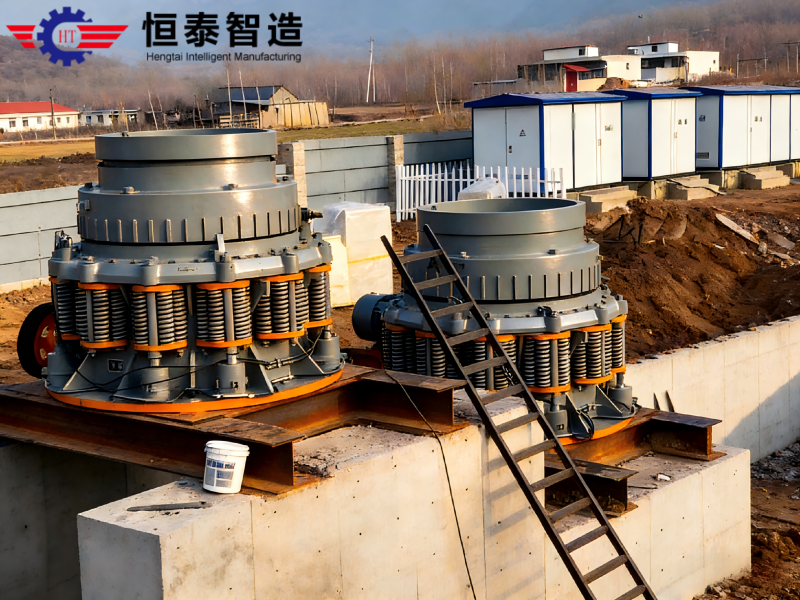
Absolute Defense of Bearings and Automated Lubrication Circuits
The heavy eccentric pendulum forces generated within a stone cone crusher are absorbed entirely by its internal sliding and thrust ball bearings. Consequently, safeguarding the thin oil lubrication system is your primary defense against mechanical failure. Site operators must establish a strict routine for monitoring oil return temperatures and pressure fluctuations. Any sudden heat spike in the automated thin oil circuit indicates localized friction and requires an immediate diagnostic shutdown to prevent devastating bearing seizure (burning bushes).
Additionally, the lubricating grease added to the outer dust seal housing must strictly occupy 50 to 70 percent of the total cavity volume. This grease matrix must be completely purged, cleaned, and replaced at least every three months. When paired with the active dry oil or water dual sealing ring, this routine creates an impenetrable block against micro-fine rock dust, keeping the inner gear oil clean and extending component life by up to 200 percent.
Structural Fatigue Checks and Transmission Alignment
Beyond oil cleanliness, the structural integrity of the main steel frame under continuous vibration determines the fatigue lifespan of the machine. Maintenance crews should utilize calibrated torque wrenches during routine weekly shutdowns to inspect all connection bolts, focusing intensely on high-stress zones for micro-fractures that require immediate weld repairs.
Simultaneously, the drive V-belts must be inspected for uneven wear or slackness. Maintaining proper belt tension prevents power slippage, protects the fluid coupling, and ensures that raw rotational energy from the motor transfers directly to the small pinion gear without unnecessary mechanical loss. When combined with regular electrical short-circuit testing, these checks guarantee the crusher remains in prime standby readiness.
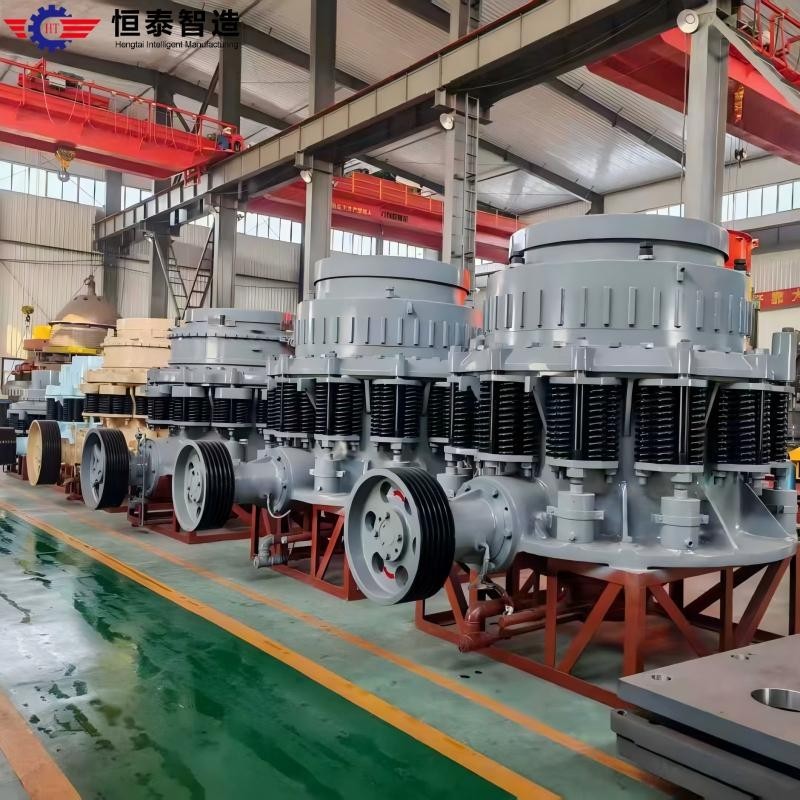
The Overlooked Reality of Electric Motor Power Matching
A major bottleneck in underperforming quarry lines can often be traced directly to incorrect electric motor power matching. A cone crusher’s volumetric capacity shares an inflexible mathematical relationship with its motor's rated kilowatts. If a plant operator couples an oversized motor to a standard crusher in a misguided attempt to force higher tonnage, it subjects the internal eccentric sleeve and main shaft to constant structural abuse, accelerating fatigue cracking.
Conversely, pairing the machine with an underpowered electric motor means the mantle will stall or trip the circuit breakers the moment a dense surge of granite or basalt fills the cavity. Reviewing the certified technical manuals to ensure your motor's output matches the machine's mechanical limits is a non-negotiable step for long-term operational health.
(To return to our core equipment specifications and review standard vs. short-head processing capacities, please view our structural overview: [Beyond Steel Thickness: Maximizing Spring Cone Crusher Lifespan and Circuit Synergy].)
Corporate Contact Desk:
Official Business Email: ht6234nibin@gmail.com
Corporate Website: https://hengtai-global.com/
Instant WhatsApp Communication: Connect with our project engineering desk via WhatsApp at +86 18288664797 for instant layout consultations.